


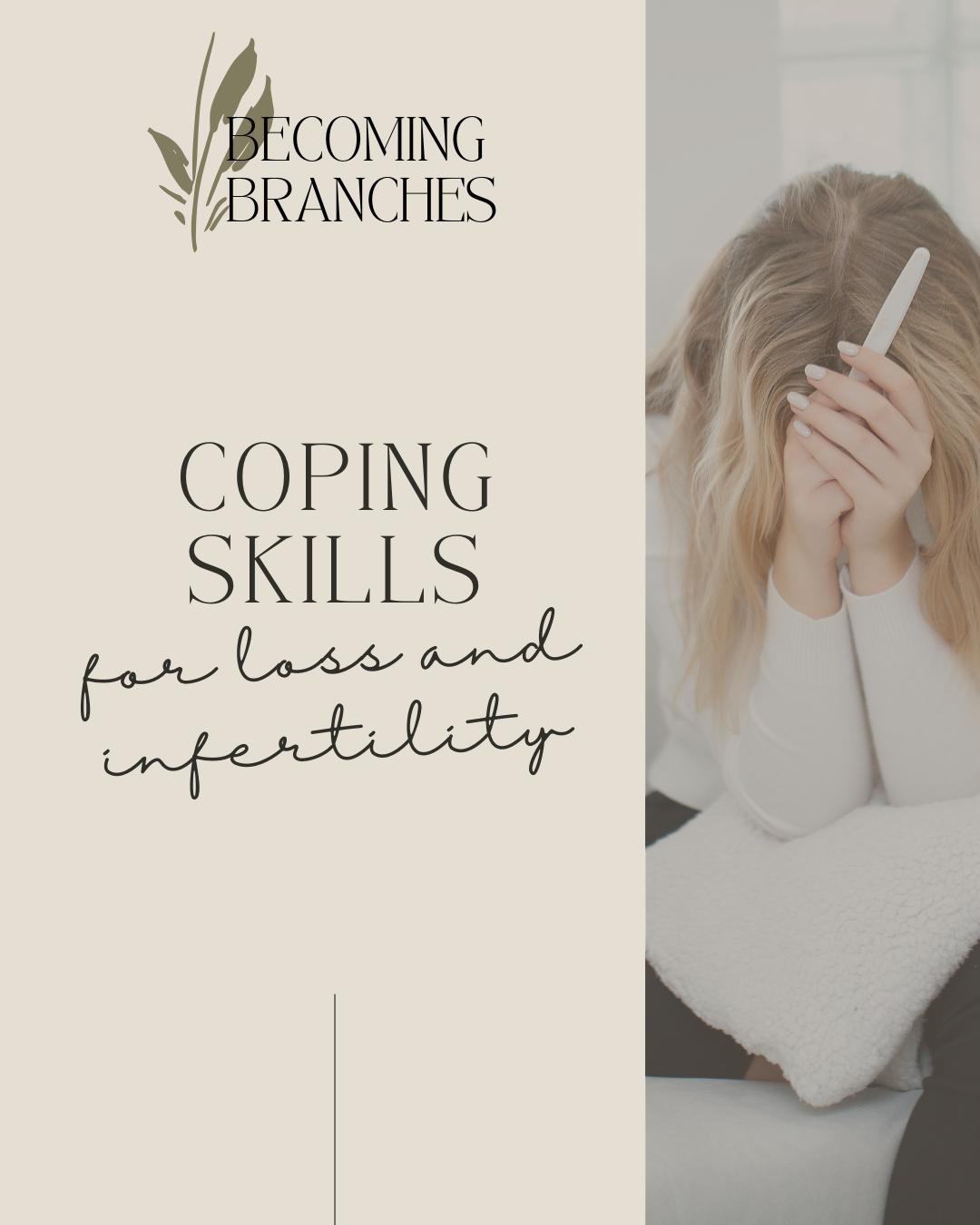





A holistic approach for your mind, body, and spirit
There are seasons in a woman’s life that stretch her farther than she ever imagined. Infertility, pregnancy loss, and long waiting can leave you feeling weary, disconnected from your body, and unsure how to move forward. These experiences touch deep places within you. They unsettle your sense of security, stir up forgotten wounds, and often reshape your relationship with faith, hope, and identity.
If you are searching for how to cope with infertility, you’re not alone in that question. You deserve care that honors both your emotional landscape and the physical realities you’re navigating.
Below is a gentle, holistic framework to support your mind, body, and spirit during this season.
Rest as a Form of Care
Sleep can feel elusive in the midst of reproductive trauma. Hormonal shifts, medical appointments, grief, and anxious thoughts can keep your body in a constant state of alertness. While aiming for 7 to 8 hours of sleep is helpful, it’s also important to release the pressure of achieving it perfectly.
Begin instead with small, consistent cues that signal rest: soft lighting, a quiet moment before bed, a slower breath. These cues help your nervous system settle enough to let rest in.
Rest isn’t avoidance. Rest is recovery.
Gentle Movement That Helps You Reconnect
When your body has carried both hope and heartbreak, it makes sense that movement may feel complicated. But gentle, intentional movement can help you find steadiness again.
Walking, stretching, yoga, and swimming support your mood, regulate your stress response, and offer a moment of grounding when emotions feel too big. Being outdoors adds another layer of calm, allowing nature to do what it does best: soften the edges of overwhelm.
Movement here isn’t about achievement. It’s about kindness.
Nourishing Yourself With Intention
During seasons of loss or uncertainty, nutrition often shifts. Some days you forget to eat; others you reach for comfort. Both responses make sense.
A nourished body, however, is better equipped to handle emotional and physical stress. As you explore questions surrounding how to cope with infertility, consider the role food plays not as a fix, but as support. Choose meals that steady your energy and feel gentle on your system.
And when researching fertility nutrition, lean into trustworthy, evidence-based sources. You deserve clarity without shame.
Routines and Boundaries That Protect Your Peace
When life feels unpredictable, simple rhythms can help your days feel more grounded. Regular meals, a morning ritual, or a weekly reset offer structure when everything else feels chaotic.
Boundaries are equally essential. Your fertility story is personal, and you have full permission to decide when and how you share it. Preparing a few phrases in advance can make difficult conversations less draining.
Something like:
“I’m keeping this part of my life close right now.”
or
“I’ll share when I’m ready.”
Protecting your emotional wellbeing is not selfish. It is wise.
Rediscovering Joy Through Hobbies and Small Moments
Infertility and loss often narrow life down to what hurts. Reconnecting with the things that once brought joy can widen your world again.
This might look like painting, gardening, reading, sitting around a campfire, or spending quiet time in nature. Small moments of joy do not cancel out your grief; they remind you that you are still allowed to feel whole, even in fragments.
Joy and sorrow can coexist. Both belong.
A Final Word of Compassion
Learning how to cope with infertility is not a linear process. It’s layered, tender, and deeply personal. You need space to grieve, space to ask questions, and space to let hope return in its own time.
Support is available for that. You don’t have to shoulder this alone. Whether through therapy, community, or private reflection, you deserve a place where your story is met with understanding rather than pressure.
There is hope here.
There is room for your questions.
And there is support available when you’re ready to reach for it.
With love,
Emily Gerber
Counselor, MA, LCPC


+ show Comments
- Hide Comments
add a comment